Hair Candy: A Playful Typeface for Stylish Creators
You know the feeling: you're designing a logo for a new salon, creating social media posts for a hair care brand, or putting together a thank-you card for your favorite stylist. The layout is perfect, the colors pop, but something is missing. The text feels generic, disconnected from the vibrant, creative world of beauty. This is where a character-driven display font can transform a good design into a memorable one. A typeface with personality doesn't just convey words; it communicates an entire vibe, a sense of craft, and a connection to a specific community.
More Than Just Letters: A Font with Built-In Personality
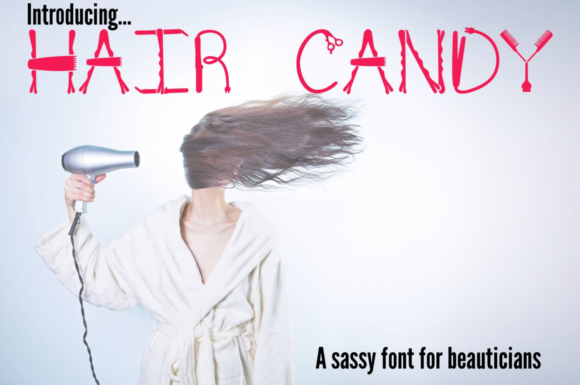
Hair Candy Sassy Font for Beauticians is a premium font that steps into this space with confidence and charm. It's a modern typography choice designed specifically for the beauty industry, but its appeal extends to any project that needs a touch of playful sophistication. What sets it apart is its inherent understanding of the hairstyling world. The letterforms are crafted with flair, featuring the kind of angles and curves that feel dynamic and full of movement, much like a skilled stylist's hands working through hair. This isn't a neutral sans serif font or a traditional serif font; it's a creative font with a distinct point of view.
The true magic, however, lies in its included font glyphs. These aren't just decorative swashes. Think of them as design assets embedded directly into the typeface. With a simple keystroke, you can access iconic hairstyling tools—scissors, combs, clips, and more—that can be used as logos, dividers, or standalone decorative elements. This feature makes it an incredibly practical tool for logo design and branding, allowing you to build a cohesive visual identity where the typography and iconography speak the same language from the start.
Practical Applications for Real-World Projects
So, how do you actually use a font like this? The applications are surprisingly broad, making it a valuable addition to any designer's or entrepreneur's toolkit. Its bold, display font nature means it shines in headlines, logos, and short, impactful text where its personality can take center stage.
- Brand Identity & Logo Design: For a salon, barbershop, or independent stylist, this font can become the cornerstone of a brand identity. Use it for the business name to instantly convey a fun, sassy, and professional image. The built-in glyphs offer a shortcut to a unique logo mark.
- Packaging & Merchandise: Imagine product labels for a hair serum or mousse, or the tagline on a t-shirt sold at a salon. The font's distinctive style ensures your packaging design and merchandise stand out on a shelf or in a social media post.
- Social Media & Digital Content: Create eye-catching Instagram story headers, Pinterest graphics, or YouTube thumbnails. For content creators in the beauty niche, using this font consistently helps build brand recognition across platforms. It's perfect for quotes, tips, or promotional announcements.
- Print & Editorial Layouts: Think beyond digital. Use it for the masthead of a beauty blog, chapter titles in a styling guide, or headlines in a lookbook. For event invitations to a salon grand opening or a stylist's workshop, it sets the perfect tone.
- Website & Blog Headers: While a script font or handwritten font might be used for body text, Hair Candy can create compelling hero sections and section headers that draw visitors in and communicate your brand's energy immediately.
Achieving Visual Consistency and Professional Polish
One of the biggest challenges in design is maintaining a consistent look across all touchpoints. A mismatched font pairing or inconsistent use of typography can make a brand feel disjointed. By choosing a character-driven typeface like Hair Candy as your primary display font, you establish a strong visual anchor. Its unique personality becomes a recognizable signature.
This consistency directly fuels brand recognition. When your audience sees that specific, playful font on a social media graphic, then on your website header, and finally on your business card, the connection becomes ingrained. They don't just see a font; they see your brand. This level of professional presentation elevates your work, showing a thoughtful attention to detail that resonates with clients and customers.
Making Smart Typographic Choices
Adopting any new font into your workflow requires some practical consideration. Here’s how to integrate a font like this effectively.
- Understand Its Role: Recognize that a display font is a specialty tool. Its strength is in headlines and logos, not long paragraphs. For body copy, pair it with a highly legible sans serif font or a simple serif font to ensure readability. A classic font pairing might be Hair Candy for headlines with a clean font like Lato or Montserrat for the supporting text.
- Test Your Pairings: Before committing, create mockups. See how the sassy display font interacts with your chosen body font. Check the contrast in weight, style, and x-height. The goal is harmony, not competition.
- Leverage the Glyphs: Explore the full character set. The included tools aren't just for logos. Use a small scissor glyph as a bullet point in a list, or a comb as a decorative underline. These small details reinforce the theme and show creative ingenuity.
- Check the License: This is a commercial font, meaning you can use it for client projects, merchandise, and digital products. Always review the specific license agreement to understand the terms, ensuring you're covered for your intended use, whether it's for a personal blog or a product line you sell.
The included OTF and TTF files ensure compatibility across most design software, from Adobe Illustrator to Canva. With capital letters A-Z, numbers 0-9, and essential punctuation, you have everything needed for most design tasks. The note that you don't need caps lock on to use it is a small but appreciated usability feature, making the workflow smoother.
Finding the Right Fit for Your Creative Voice
Ultimately, the best font is one that aligns with your project's goals and your creative voice. If your work targets a youthful, trendy, or fashion-forward audience, a sassy, modern typeface can be a perfect match. If your brand is more minimalist or corporate, you might reserve it for specific campaigns or seasonal graphics. The key is to let the font's personality support—not overpower—your message. Let your creativity flow, experiment with its applications, and see how this fun, quirky font can become a signature element in your design toolkit.