Why Hello Font is the Secret Weapon for Sophisticated Branding
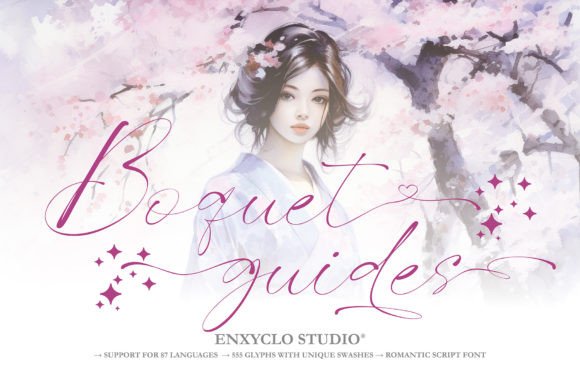
There is a specific moment in the creative process when a design goes from looking "homemade" to "boutique." It rarely happens because of a complex illustration or a revolutionary layout; it usually happens because of the typography. If you have ever struggled to find a typeface that balances modern flair with timeless elegance, you may have overlooked the power of high-quality script fonts. Enter Hello Font, a chic, refined script typeface that emanates sophistication and elegance. Its stylish alternates and ligatures make this font the perfect match for any project, bridging the gap between casual creativity and professional polish.
The Personality of a Premium Typeface
Not all fonts are created equal, and the difference often lies in the details. A standard script font might get the job done, but it often feels static or repetitive. What sets Hello Font apart as a premium font is its fluidity. It mimics the natural flow of hand-lettered calligraphy without sacrificing the consistency required for commercial use. This isn't just a collection of letters; it is a design asset that brings a human touch to digital spaces.
For entrepreneurs and designers, the "personality" of a typeface is crucial. Hello Font strikes a delicate balance. It is playful enough to be engaging, yet structured enough to convey authority. Think of the visual difference between a generic birthday card and a bespoke wedding invitation. The latter commands attention because the typography feels intentional. With its extensive set of stylistic alternates, this font allows you to customize the look of specific letters, ensuring that your text doesn't just look good—it looks unique to your brand.
Practical Applications: Beyond the Wedding Invite
While script fonts are often pigeonholed for formal events, Hello Font is a versatile workhorse for various industries. Its utility extends far beyond invitations, making it an invaluable addition to any designer’s toolkit.
Consider the world of packaging design. If you are launching a skincare line, a bakery, or a boutique clothing label, the shelf appeal is everything. Using this font for your product headers can instantly communicate quality and care. It tells the customer, "This product was made with attention to detail." Similarly, in logo design, a well-crafted script can create a memorable wordmark that stands out against the rigid geometry of sans-serif competitors.
For the digital landscape, the applications are equally robust:
- Social Media Graphics: In a fast-scrolling feed, a touch of elegance stops the thumb. Use it for quotes, sale announcements, or header text on Instagram stories to elevate your visual consistency.
- Website Headers: Pairing a script font with a clean sans-serif body text is a classic web design strategy. It draws the eye to key headlines and improves the user experience by breaking up visual monotony.
- Blog Graphics: Bloggers can use this typeface to create cohesive pin graphics for Pinterest, driving traffic back to their sites with professional-looking headers.
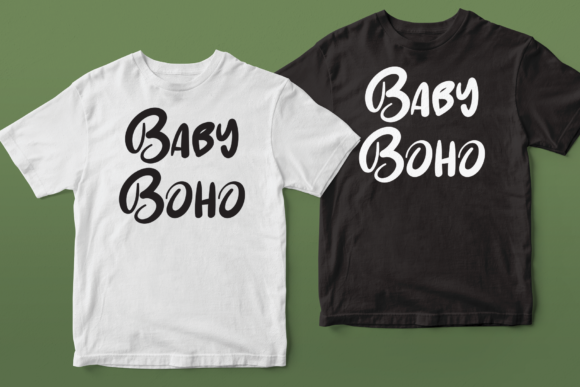
- Merchandise: From tote bags to coffee mugs, the fluid nature of Hello Font translates beautifully to print-on-demand products, offering a high-end look that customers love.
Mastering Font Pairings and Readability
One of the most common mistakes in design is using a script font for body text. While Hello Font is legible for its category, its primary strength lies in display usage. To maintain readability and professional presentation, you must master the art of font pairing.
The rule of contrast is your best friend here. Because Hello Font is decorative and fluid, it pairs best with a neutral, geometric sans-serif font. Think of fonts like Montserrat, Helvetica, or Open Sans. These clean typefaces provide a solid foundation that allows the elegance of the script to shine without overwhelming the viewer.
When matching typography to your project goals, consider the hierarchy of information. Use the script for the "Hero" text—the main message you want to convey. Use your secondary font for the details, such as dates, locations, or product descriptions. This approach ensures that your audience engages with the most important information first, improving overall audience engagement and brand recognition.
Maximizing Stylistic Alternates for Brand Identity
A common frustration with script fonts is when two specific letters bump into each other awkwardly. High-quality typefaces like Hello Font solve this with ligatures and swashes. However, many creators forget to utilize these features fully.
When working in software like Adobe Illustrator, Photoshop, or Canva Pro, take the time to explore the glyph panel. You might find that swapping a standard lowercase "h" for a stylistic alternate changes the entire vibe of your logo. This level of customization is what separates generic designs from a strong brand identity. It allows you to create a visual voice that feels bespoke, even if you are working with a pre-made font file.
Furthermore, if you are using this for editorial design or magazine layouts, these alternates can help you fit text into specific shapes or columns without awkward line breaks. It provides the flexibility of hand-lettering with the speed of digital typesetting.
Licensing and Commercial Use
For small business owners and freelancers, the legal side of design assets is just as important as the aesthetic side. Before downloading any font, you must review the licensing terms. Hello Font is designed for both personal and commercial use, but it is always best practice to verify the specific license included with your purchase.
Understanding the difference between desktop licenses and web fonts is vital for web design projects. If you plan to use the font on a live website, ensure your license supports web embedding (WOFF/WOFF2 formats). For print materials, logos, and merchandise, a standard desktop license is usually sufficient. Adhering to these terms protects your business and supports the type designers who create these beautiful tools.
Real-World Branding Scenarios
Let’s look at how this typeface solves real problems for different audiences.
The Wedding Planner: You need a font that looks expensive but feels warm. Hello Font offers the sophistication of engraving without the stiffness. It works perfectly for save-the-dates, menus, and table numbers.
The Lifestyle Blogger: Your brand relies on personality. Using a modern typography approach with this script font helps convey a sense of approachable luxury. It’s perfect for "Shop My Style" graphics or digital product covers like Lightroom presets.
The Local Coffee Shop: You want to rebrand your loyalty cards and wall menu. A handwritten font style like this adds a cozy, artisanal vibe that encourages customers to linger.
By aligning the font's inherent style with your business goals, you create a cohesive visual narrative. This consistency builds trust. When a customer sees your social media post, then your website, and finally your product packaging, the consistent use of typography makes your brand feel established and reliable.
Elevating Your Creative Workflow
Ultimately, the tools you choose dictate the speed and quality of your output. Having a go-to creative font like Hello Font in your library reduces the time spent searching for the "right" style. Its versatility means you can adapt it to seasonal campaigns, rebranding efforts, or one-off projects without needing to buy a new asset every time.
Whether you are a seasoned graphic designer or a hobbyist just starting out on Etsy, the value of a polished script font cannot be overstated. It transforms simple text into art. It turns a basic flyer into an invitation. It elevates a standard blog post into a branded experience. If your goal is to create designs that resonate with sophistication and charm, integrating this typeface into your workflow is a step in the right direction.